Personalized Elderly Care: The Power of Small Assisted Living Communities
Business Name: BeeHive Homes of Goshen
Address: 12336 W Hwy 42, Goshen, KY 40026
Phone: (502) 694-3888
BeeHive Homes of Goshen
We are an Assisted Living Home with loving caregivers 24/7. Located in beautiful Oldham County, just 5 miles from the Gene Snyder. Our home is safe and small. Locally owned and operated. One monthly price includes 3 meals, snacks, medication reminders, assistance with dressing, showering, toileting, housekeeping, laundry, emergency call system, cable TV, individual and group activities. No level of care increases. See our Facebook Page.
12336 W Hwy 42, Goshen, KY 40026
Business Hours
Families seldom start searching for elderly care on a calm afternoon with a lot of time. More frequently, it starts after a late night phone call, a fall, a hospital discharge, or the slow realization that a spouse or adult kid just can not keep up with growing care requirements. In those minutes, the senior care landscape can seem like a labyrinth of jargon and glossy brochures.
One of the most essential differences, and one that frequently gets neglected, is the distinction between large institutional facilities and small assisted living neighborhoods. The size of a setting shapes almost every element of life for an older adult, from how rapidly staff discover a change in appetite, to whether someone sits alone at breakfast, to how confidently you sleep in the evening understanding your parent is safe.
Over the last 15 years working with families and care teams, I have seen once again and again how small, relationship-based communities can transform elderly care. They are not an ideal suitable for every person, however they frequently deliver a level of customization that larger environments struggle to match.
This post looks carefully at why size matters in assisted living, how small neighborhoods operate when they are done well, and what practical indications families can expect when assessing choices, including respite care stays.
What "small" assisted living really implies in practice
The phrase "small assisted living" covers a series of designs. At one end are residential care homes, often called board-and-care homes or adult household homes, which often serve 4 to 12 citizens in a single home. At the other end are store assisted living communities with 20 to 40 citizens, designed intentionally to stay well below the hundred-plus citizens found in many senior living campuses.
Regardless of licensing classification, small communities share a couple of common features:
They run on a human scale. Personnel can generally call every resident without taking a look at a chart. When the nurse walks into the living room, she acknowledges who prefers herbal tea, who prevents dairy, and who battles with sundowning in the late afternoon.
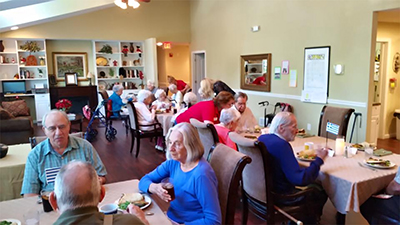
They blur the line between "center" and "home." Residents normally share typical areas such as a family-style dining-room, a small garden, and a living room with real furniture, not rows of similar chairs. The environment intends to support both dignity and comfort.
They run leaner hierarchies. Rather of layers of supervisors, small homes typically have a manager or owner who is present and hands-on. Decisions about care changes, activities, or menu adjustments can be made quickly, with far less bureaucracy.
They rely greatly on culture and relationships. A small neighborhood can not hide poor care behind a huge activities calendar or an elegant lobby. Households see the exact same faces on each visit, and it ends up being really clear whether there is heat, perseverance, and consistent follow-through.
This scale moves the focus of assisted living away from logistics and toward the real lived experience of elderly care.
Why personalization matters so much in elderly care
Personalized care is not a luxury add-on in senior care. It is central to health, safety, and quality of life, especially when somebody copes with multiple chronic conditions, moderate cognitive problems, or early dementia.
Older adults seldom fit nicely into checklists. One resident may have heart disease and diabetes but still be a devoted gardener who awakens early. Another may be physically robust but distressed, with a history of depression and a strong choice for personal privacy. A third might have restricted English, high fall threat, and strong cultural or spiritual regimens that specify the rhythm of the day.
Standardized "care strategies" can look excellent on paper yet fail in reality if they are not constantly changed in reaction to the resident's day-to-day patterns. This is where smaller assisted living environments tend to stand out:
Staff notice subtle modifications. When caretakers see the exact same 8 to 20 locals every day, they acknowledge what is common for each person. A partial breakfast, a missed joke, or a shorter-than-usual walk may set off a quiet check-in that avoids a bigger problem.
The environment gets used to the person, not the other method around. For instance, I when dealt with a small BeeHive Homes of Goshen assisted living near me community where one resident, a retired baker, tended to wander during the night. Rather of simply medicating or limiting him, personnel developed a safe, low-stimulation "late night kitchen" ritual where he could knead dough with supervision and after that settle more quickly. It fit his lifelong routine and dramatically lowered agitation.
Preferences bring weight. Whether someone consumes with adaptive utensils, showers at a particular time, or takes part in spiritual rituals, those choices become a normal part of the day, not "unique demands."
All of this is possible in larger senior living neighborhoods in theory. In practice, it needs an unusually cohesive culture and strong staffing levels. In smaller settings, personalization is the default, not the exception.
The emotional safety of being known
When older adults move into assisted living, they lose a lot at once: home, next-door neighbors, regimens, even manage over small things like what brand name of coffee they consume. A small community can not remove that loss, however it can soften the psychological impact.
Residents tend to form much deeper relationships more quickly in smaller groups. It is easier to keep in mind names when there are fifteen instead of eighty. Mealtimes feel like a family gathering rather than a cafeteria. For people who tire quickly or feel overwhelmed by noise, this quieter scale can be the distinction between taking part and pulling back to their room.
From the family's point of view, emotional safety appears in a different method. You want to know:
Who will be with my mother when she is puzzled or scared at 3 a.m.?
Who notifications if my father lingers too long in the restroom or seems except breath?
Who detects the early indications of a urinary system infection before it results in a hospitalization?
In a well-run small assisted living community, the answers are not abstract task titles. They specify people, with faces and histories: "That will normally be Maria or Thomas at night. They understand precisely how to calm her when she wakes up unsure where she is." That individual connection builds trust that no written policy can match.
Small assisted living vs larger centers: essential trade-offs
Small settings are not instantly better. There are real advantages and restrictions to both small and large models, and it helps to weigh them honestly.
Here is an uncomplicated comparison to ground your thinking.
-
Atmosphere and social environment
Big centers can provide more varied activities and peer groups. Somebody who prospers on range, takes pleasure in big group occasions, or wants on-site praise services and fitness classes might appreciate a larger campus. On the other hand, a small assisted living community normally offers more intimate gatherings, simpler daily rhythms, and more spontaneous interaction, such as talking over folding laundry or assisting water plants. -
Staffing patterns
Larger senior care companies may use a broader range of professionals on-site: full-time nurses, therapists, activity directors, dietitians. Smaller homes typically count on a smaller core group and outside service providers, like checking out nurses or home health firms. That said, caregiver-to-resident ratios can be more powerful in small homes, especially in the evenings and weekends, due to the fact that there are fewer layers of jobs and locals in each unit. -
Flexibility and responsiveness
In a large structure, altering dining options or changing the day-to-day schedule for one person can be difficult. Systems are built for performance. Small communities are frequently more active. If a resident's daughter requests a weekly video call at a specific time, it is simpler for a small group to incorporate that as a routine. -
Cost and value
Costs differ commonly by area, however small residential care homes are often similar in rate to mid-range assisted living facilities, often slightly lower, often higher if they provide really high touch care. Big campuses might use tiers of rates and the marketing appeal of resort-style amenities. The crucial concern is not simply "What does it cost per month?" however "What exactly takes place throughout those hours, and how does that line up with my parent's priorities and needs?" -
Progression of care needs
Large senior living campuses often promote "aging in location," with assisted living, memory care, and often skilled nursing in one area. Some small homes likewise provide memory care or extremely high levels of help, however not all. Households need to ask directly how the community handles getting worse mobility, late-stage dementia, or end-of-life care. A thoughtful small home will be in advance about its limits and how it supports shifts, including hospice.
The right decision depends upon the individual's personality, medical complexity, social needs, and family situation. An extremely social extrovert with stable health might grow in a bigger setting, while someone with stress and anxiety and early dementia might feel lost in the same environment yet settle beautifully into a small assisted living community.
How small communities strengthen clinical safety
One common concern households voice about small settings is whether their loved one will be clinically safe. They picture a big center with a nurse's station and compare it to a relaxing home with no obvious scientific infrastructure.
Regulations vary by state and country, but trusted small assisted living homes run with clear care procedures, medication management, and access to health specialists. In most cases, the level of everyday oversight is more powerful merely since fewer residents slip in between the cracks.
A few useful aspects stand out.
Medication management
With a limited number of residents, medication rounds can be more focused. Personnel have time to validate whether the resident in fact swallowed tablets, to keep track of for side effects, or to question a brand-new prescription that does not appear to fit the person's history. Families are frequently looped in quickly when something looks off, which can make conversations with doctors more effective.Monitoring for changes
Small shifts in condition are often noticed quicker. A caregiver who assists with dressing every morning might notice a brand-new trembling, a pressure aching starting, or confusion that was not there recently. Because the chain of communication is shorter, those observations are most likely to translate into action.Fall prevention
No environment eliminates falls, but small homes often have a much better view of citizens' real mobility and threat patterns. Personnel know who tends to get up during the night without calling, which path they typically take to the restroom, and how stable they search any offered day. They can adjust guidance or suggest a physical treatment consult promptly.Coordination with household and providers
Instead of passing messages through several layers of staff, families often speak directly to the supervisor or owner when concerns emerge. A quick call to a medical care service provider to clarify an order, or to set up a home health examination, is more likely to take place when the leader is hands-on and understands the resident personally.None of this gets rid of the requirement for households to stay engaged. However in my experience, when a small assisted living community is well handled, households end up being real partners in care instead of peripheral observers.
The role of respite care in discovering the right fit
Respite care is short-term senior care that offers household caretakers a break and provides a trial run in an encouraging environment. It can last from a couple of days to a number of weeks or more, depending upon regional policies and the neighborhood's policies.
Small assisted living communities can be ideal settings for respite stays, especially in these scenarios:
A spouse is tired from full-time caregiving and needs time to recuperate physically or emotionally.
An adult child must travel for work or a family occasion and can not safely leave the older parent alone.
The family is thinking about a move to assisted living but wishes to see how the parent changes before making a long-lasting commitment.
The resident is transitioning from hospital or rehab and requires more support than home alone however does not require a knowledgeable nursing facility.
During respite care in a small home, personnel can discover the individual's patterns and preferences quickly. The environment is generally easier to navigate, which lowers the stress of a brand-new setting. Families get a practical understanding of how their loved one functions with routine assistance, rather than guessing based on a hurried medical facility discharge plan.
I have actually seen circumstances where a two-week respite stay revealed that an older grownup was far more confused during the night than household realized, or that they thrived with scheduled medication and meals, gaining weight and stability. In other cases, the senior returned home with services like at home assistants and fall-prevention modifications, delaying the need for full-time assisted living. The trial assisted everybody choose based upon evidence rather than fear.
What to search for when going to a small assisted living community
Brochures and sites rarely tell the complete story. The quality of elderly care in a small setting shows up in day-to-day routines and interactions, not marketing language. When you visit, trust both your eyes and your instincts.
Here is one focused checklist you can bring with you, as your very first enabled list:
-
Watch the body language
Notification how staff engage with locals. Do they make eye contact, crouch to the resident's level, address them by name, and listen? Or do they talk over citizens, rush, or appear distracted? -
Smell and sound
A faint smell of cooking or cleansing is regular. Strong smells of urine or heavy air freshener suggest persistent problems. Listen for continuous alarms, shouting, or shrieking tvs. A small home needs to feel silently hectic, not chaotic. -
Staffing presence
Count the number of staff you see, and ask how many are on responsibility for the present variety of residents, both daytime and overnight. In a group of 8 to 12 homeowners, seeing at least 2 caretakers on duty most of the day is a great beginning point, though regional regulations vary. -
Resident engagement
Look for signs that locals are doing something significant, not just sitting in front of a television. Engagement can be simple, like folding towels, talking at the kitchen area table, or listening to music. The question is whether people seem awake to their own day, not sedated by boredom. -
Leadership accessibility
Ask who is accountable for daily operations and how typically they are on-site. If you can not meet the manager or owner within an affordable time, or they appear unenthusiastic in your concerns, take that seriously.
One visit hardly ever supplies the complete photo. If possible, visit at various times of day, consisting of evenings or weekends, and inquire about trying a short respite care stay before devoting long term.
Respecting individuality in the details
The strength of a small assisted living community typically appears in the tiniest details. These details seem trivial on a tour, but they shape how an individual feels about life from the moment they wake up.
Wake and sleep times
In a task-driven environment, locals are typically woken and dressed in batches, depending on staff routines. In a more customized home, personnel will adjust within reason. Some homeowners rise at 6 a.m. And desire coffee immediately. Others sleep in and prefer a quiet morning. Keeping those natural rhythms helps keep orientation and mood.Food as relationship
Meals are more than nutrition. They anchor the day and, for many older adults, link them to culture, memory, and satisfaction. In a small senior care setting, cooking area staff (often the very same individuals as caretakers) can find out private tastes, textures, and spiritual limitations. Serving familiar meals, even when a week, can raise a resident's spirits even more than any formal activity.Cultural and spiritual practices
In big centers, shows might reflect a "most affordable common denominator" approach. Small neighborhoods that buy comprehending each resident's background can weave easy yet effective practices into every day life: stating a specific prayer before dinner, marking particular holidays, arranging for visits from clergy or neighborhood volunteers. This type of respect is not symbolic, it goes to the heart of an individual's identity.End-of-life care
Lots of households do not wish to consider this when admission is first talked about, yet it matters exceptionally. In a small assisted living home that works together carefully with hospice, the last months can be calmer, more personal, and typically more dignified. Staff who have understood the resident for several years can support both the dying person and the family with a type of existence that is tough to standardize.When a small neighborhood is not the ideal choice
As much as I advocate for small, relationship-based care, it is important to recognize cases where a larger or more medical setting might be more secure or more appropriate.
Highly intricate medical care
If someone requires regular IV medications, ventilator assistance, or constant cardiac tracking, that usually exceeds the scope of assisted living, small or big. A competent nursing center or specialized system might be essential, a minimum of for a period.Severe behavioral challenges
Individuals with innovative dementia who show aggressive, unpredictable, or sexually disinhibited habits might put others at threat in a small home. Specialized memory care systems with higher staffing levels and protected environments might be better equipped, though quality differs widely.Significant rehabilitation needs
After a significant stroke, surgery, or fracture, a duration of extensive rehabilitation with on-site therapists might be best, particularly if the goal is to regain as much function as possible before transitioning to assisted living.Strong preference for substantial amenities
Some older grownups truly desire the facilities of a bigger school: numerous dining locations, pools, concierge services, on-site concerts. If those functions truly improve their daily life and they can browse the environment securely, a larger setting may align much better with their preferences.The key is to match the environment to the individual, not the other method around. That needs honest conversation, not marketing promises.
Partnering with a small neighborhood for shared care
Families sometimes fear that when a parent moves into assisted living, they will be sidelined. The healthiest small communities see things differently. They see family relationships as a possession, not an inconvenience.
This collaboration can take many kinds:
Regular interaction about modifications, both medical and emotional.
Involvement in care preparation, consisting of changes in routines or preferences.
Shared issue solving when problems develop, such as sleep disturbances, resistance to bathing, or conflict with another resident.
Openness to household routines, such as bringing preferred foods, celebrating cultural holidays, or joining for meals.
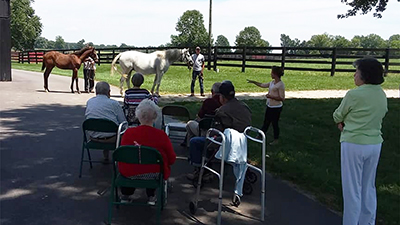
To cultivate this partnership, it assists to set expectations early. During initial meetings, ask the supervisor how they choose to interact, how typically they upgrade families, and how they manage disagreements. The way they respond informs you a great deal about the culture you are stepping into.
Final thoughts: choice, self-respect, and scale
Elderly care is an intimate, often emotionally charged territory. No single design of assisted living fits every person. Yet size and scale shape nearly every element of life in senior care, from how quickly a brand-new cough is discovered to whether a resident feels like a person or a room number.
Small assisted living neighborhoods, when run thoughtfully and ethically, can deliver a level of personalization that is hard to match in larger settings. They provide a human-scale alternative, where being understood and seen becomes part of life, not a periodic highlight.
For households at the crossroads of choice, it helps to go back from marketing guarantees and ask three useful questions:
Is this a location where my parent will be acknowledged as a specific, not managed as a task?
Can I photo genuine people, not job titles, sitting with them on a hard day or a restless night?
Do I feel that the scale of this community makes attention, responsiveness, and compassion more likely, not less?
If your answers lean towards yes in a small setting, it deserves exploring that path, perhaps beginning with respite care. Customized elderly care is not a slogan. In the ideal small assisted living neighborhood, it is the material of daily life.
BeeHive Homes of Goshen provides assisted living care
BeeHive Homes of Goshen provides memory care services
BeeHive Homes of Goshen provides respite care services
BeeHive Homes of Goshen supports assistance with bathing and grooming
BeeHive Homes of Goshen offers private bedrooms with private bathrooms
BeeHive Homes of Goshen provides medication monitoring and documentation
BeeHive Homes of Goshen serves dietitian-approved meals
BeeHive Homes of Goshen provides housekeeping services
BeeHive Homes of Goshen provides laundry services
BeeHive Homes of Goshen offers community dining and social engagement activities
BeeHive Homes of Goshen features life enrichment activities
BeeHive Homes of Goshen supports personal care assistance during meals and daily routines
BeeHive Homes of Goshen promotes frequent physical and mental exercise opportunities
BeeHive Homes of Goshen provides a home-like residential environment
BeeHive Homes of Goshen creates customized care plans as residents’ needs change
BeeHive Homes of Goshen assesses individual resident care needs
BeeHive Homes of Goshen accepts private pay and long-term care insurance
BeeHive Homes of Goshen assists qualified veterans with Aid and Attendance benefits
BeeHive Homes of Goshen encourages meaningful resident-to-staff relationships
BeeHive Homes of Goshen delivers compassionate, attentive senior care focused on dignity and comfort
BeeHive Homes of Goshen has a phone number of (502) 694-3888
BeeHive Homes of Goshen has an address of 12336 W Hwy 42, Goshen, KY 40026
BeeHive Homes of Goshen has a website https://beehivehomes.com/locations/goshen/
BeeHive Homes of Goshen has Google Maps listing https://maps.app.goo.gl/UqAUbipJaRAW2W767
BeeHive Homes of Goshen has Facebook page https://www.facebook.com/beehivehomesofgoshen
BeeHive Homes of Goshen won Top Assisted Living Homes 2025
BeeHive Homes of Goshen earned Best Customer Service Award 2024
BeeHive Homes of Goshen placed 1st for Senior Living Communities 2025
People Also Ask about BeeHive Homes of Goshen
What does assisted living cost at BeeHive Homes of Goshen, KY?
Monthly rates at BeeHive Homes of Goshen are based on the size of the private room selected and the level of care needed. Each resident receives a personalized assessment to ensure pricing accurately reflects their care needs. Families appreciate our clear, transparent approach to assisted living costs, with no hidden fees or surprise charges
Can residents live at BeeHive Homes for the rest of their lives?
In many cases, yes. BeeHive Homes of Goshen is designed to support residents as their needs change over time. As long as care needs can be safely met without requiring 24-hour skilled nursing, residents may remain in our home. Our goal is to provide continuity, comfort, and peace of mind whenever possible
How does medical care work for assisted living and respite care residents?
Residents at BeeHive Homes of Goshen may continue seeing their existing physicians and medical providers. We also work closely with trusted medical organizations in the Louisville area that can provide services directly in the home when needed. This flexibility allows residents to receive care without unnecessary disruption
What are the visiting hours at BeeHive Homes of Goshen?
Visiting hours are flexible and designed to accommodate both residents and their families. We encourage regular visits and family involvement, while also respecting residents’ daily routines and rest times. Visits are welcome—just not too early in the morning or too late in the evening
Are couples able to live together at BeeHive Homes of Goshen?
Yes. BeeHive Homes of Goshen offers select private rooms that can accommodate couples, depending on availability and care needs. Couples appreciate the opportunity to remain together while receiving the support they need. Please contact us to discuss current availability and options
Where is BeeHive Homes of Goshen located?
BeeHive Homes of Goshen is conveniently located at 12336 W Hwy 42, Goshen, KY 40026. You can easily find directions on Google Maps or call at (502) 694-3888 Monday through Sunday 7:00am to 7:00pm
How can I contact BeeHive Homes of Goshen?
You can contact BeeHive Homes of Goshen by phone at: (502) 694-3888, visit their website at https://beehivehomes.com/locations/goshen/, or connect on social media via Facebook
You might take a short drive to the Howard Steamboat Museum. The Howard Steamboat Museum offers local history exhibits that create a meaningful assisted living and memory care outing during senior care and respite care visits.